Seattle's weather presents a distinct operational environment for storm-damage roofing acquisition. Unlike the hail belts of Texas or Colorado, where severe storms produce golf-ball-sized hail over vast regions, Western Washington experiences highly localized hail and graupel events. These are frequently driven by the Puget Sound Convergence Zone (PSCZ)—where marine air splits around the Olympic Mountains and collides over King and Snohomish Counties.
       [ Olympic Mountains ]
             /       \
            /         \
   (North Flow)     (South Flow)
            \         /
             v       v
   [ PUGET SOUND CONVERGENCE ZONE ]
   (Localized Hail / Graupel Band)
             |
             v
 [ Targeted Seattle Neighborhoods ]
  (Ballard, Shoreline, Bellevue)
These localized convective cells drop dense, high-velocity ice pellets (0.5 inch to 1.25 inches) across concentrated corridors—often spanning just 1.5 to 3 miles in length.
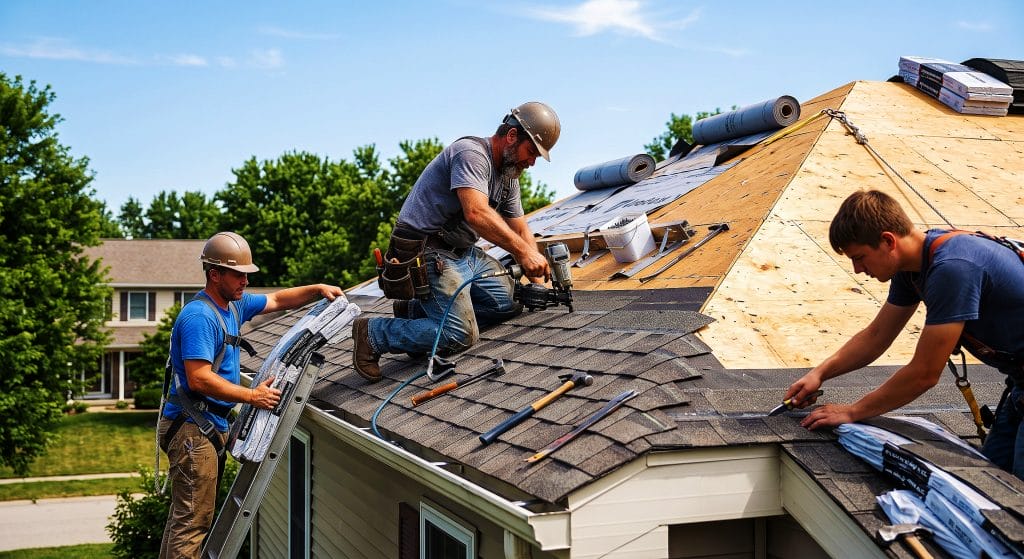
To deploy ads within hours of an event, campaign activation relies on a three-tier automated detection stack:
+-----------------------------------------------------------------------+
|  Tier 1: Radar Telemetry Data                                         |
|  NOAA NEXRAD Level II Data Feeds (KATX Radar Station - Camano Island) |
+-----------------------------------------------------------------------+
                                  |
                                  v
+-----------------------------------------------------------------------+
|  Tier 2: Algorithmic Verification                                     |
|  HailTrace & WeatherFX API (Swath Mapping & MESH Metrics)             |
+-----------------------------------------------------------------------+
                                  |
                                  v
+-----------------------------------------------------------------------+
|  Tier 3: Ground-Truth Validation                                      |
|  Local Spotter Reports & Field Inspection Logs                        |
+-----------------------------------------------------------------------+
                                  |
                                  v
+-----------------------------------------------------------------------+
|  Automated DSP Webhook Trigger -> Polygon Geofence Activation          |
+-----------------------------------------------------------------------+
When threshold parameters are met, a webhook signals the Demand-Side Platform (DSP) to activate pre-built campaign frameworks covering the precise geographical footprint of the storm path.
Standard circular radial targeting (e.g., a 3-mile radius from a ZIP code center) wastes up to 70% of ad impressions on unimpacted homes, commercial parks, or bodies of water (such as Lake Washington or Puget Sound). This strategy uses custom multi-point polygon geofencing combined with parcel-level spatial data.
       INCORRECT: Circular Radius                CORRECT: Polygon Geofence
   +---------------------------------+      +---------------------------------+
   |   ( ) Water Body               |      |    /----\ Polygon Bound         |
   |  /   \                          |      |   /      \ (Storm Swath)       |
   | |  *  | Radius Target           |      |  | *    * | Impacted           |
   |  \   /  (Includes unimpacted)   |      |   \      /  Homes Only         |
   |   ( ) Commercial Zone           |      |    \----/                   |
   +---------------------------------+      +---------------------------------+
+------------------+----------------------------------+------------------------------------+
| Neighborhood     | Housing Stock Profile            | Primary Hail/Storm Risk Factor     |
+------------------+----------------------------------+------------------------------------+
| Ballard / Phinney| Older craftsman, steep asphalt,  | Granule loss leading to premature  |
| Ridge            | high cedar shake presence        | moss rot under heavy rainfall      |
+------------------+----------------------------------+------------------------------------+
| West Seattle     | Exposure to Puget Sound winds,   | Wind-driven hail lifting shingle   |
| (Alki/Admiral)   | composite and architectural      | tabs and breaking thermal seals    |
+------------------+----------------------------------+------------------------------------+
| Shoreline /      | High tree cover, composite, aging| Impact fracturing under wet pine   |
| Lake Forest Park | architectural shingles           | needle mats, causing hidden rot    |
+------------------+----------------------------------+------------------------------------+
| Bellevue /       | High-value real estate, tile,    | Hidden fractures in underlayment;  |
| Mercer Island    | premium architectural, metal     | high potential claim value         |
+------------------+----------------------------------+------------------------------------+
The campaign operates across three sequential phases to guide homeowners from initial storm awareness to booking a dedicated roof inspection.
+-----------------------------------------------------------------------------------+
| PHASE 1: Real-Time Event Trigger (Days 0 - 2)                                     |
| Target: In-Storm Location Devices | Delivery: High-Impact In-App Mobile Ads    |
| Message: Immediate Local Alert & Visual Damage Identification                     |
+-----------------------------------------------------------------------------------+
                                          |
                                          v
+-----------------------------------------------------------------------------------+
| PHASE 2: Household Retargeting & Extension (Days 3 - 14)                         |
| Target: Captured Device IDs across Household IP Networks                          |
| Message: Educational Content on Latent Damage & Insurance Time Limits             |
+-----------------------------------------------------------------------------------+
                                          |
                                          v
+-----------------------------------------------------------------------------------+
| PHASE 3: High-Intent Closing (Days 15 - 30)                                       |
| Target: Engaged Users & Landing Page Visitors                                     |
| Message: Direct Call-To-Action (Free Inspection / Drone Scan)                     |
+-----------------------------------------------------------------------------------+
Ad copy and visual assets automatically adapt based on real-time metadata (neighborhood, date of storm, zip code). Seattle consumers respond best to objective, technical, and low-pressure messaging rather than high-velocity sales pitches.
| Ad Size | Headline Variant (Dynamic DCO) | Visual Asset | Primary Call to Action |
| 300x250 | Ballard Hail Alert: Was Your Roof Exposed on [Storm Date]? | Split-screen showing intact shingle vs. micro-fractured shingle under high magnification | Schedule Free Inspection |
| 320x50 | West Seattle Storm: Check Your Shingles for Hidden Damage | Icon of drone hovering over PNW-style roof structure | Check My Address |
| 330x280 | Heavy Graupel Reported in Shoreline. Don't Wait for Leaks. | Infrared image highlighting water trapped underneath shingle substrate | Book 10-Min Drone Scan |
| 300x600 | Bellevue Neighborhood Storm Update: Insurance Claim Deadlines | High-resolution close-up of granular loss on architectural asphalt shingle | Verify Roof Damage |
+----------------------------------------------------------------------+
| EXAMPLE DISPLAY AD CREATIVE (300x250 Mobile Banner)                   |
| +------------------------------------------------------------------+ |
| | [ ! ] LOCAL WEATHER ALERT: WEST SEATTLE                          | |
| |                                                                  | |
| |  STORM IMPACT DETECTED ON TUESDAY, OCT 12                        | |
| |                                                                  | |
| |  [IMAGE: High-resolution zoom on granule loss & roof rot]        | |
| |                                                                  | |
| |  Micro-fractures lead to leaks during atmospheric rivers.        | |
| |  Protect your home structure today.                              | |
| |                                                                  | |
| |  +------------------------------------------------------------+  | |
| |  | SCHEDULE FREE DRONE INSPECTION                             |  | |
| |  +------------------------------------------------------------+  | |
| +------------------------------------------------------------------+ |
+----------------------------------------------------------------------+
To maximize conversions, traffic must land on a hyper-localized, fast-loading, mobile-optimized page that directly matches the ad's location and creative hook.
+-----------------------------------------------------------------------+
|  DYNAMIC HEADER: "Ballard Roof Inspection Dispatch - Post-Storm Zone" |
+-----------------------------------------------------------------------+
|                                                                       |
|  [ Local Verification Badge ]        [ WA License # ROOF***99 ]       |
|                                                                       |
|  +-----------------------------------------------------------------+  |
|  | DYNAMIC STORM MAP                                               |  |
|  | Displays Doppler radar overlay matching user's neighborhood    |  |
|  +-----------------------------------------------------------------+  |
|                                                                       |
|  FORM: "Check Address Eligibility for Storm Inspection"               |
|  [ Enter Street Address...                                      ]     |
|  [ STEP 1: VERIFY ADDRESS ] -> Triggers Instant API Check             |
|                                                                       |
|  +-----------------------------------------------------------------+  |
|  | THREE-STEP INSPECTION PROCESS                                   |  |
|  | 1. High-Res Drone Flyover (No ladder, no hassle)               |  |
|  | 2. Comprehensive Substrate Damage Report                         |  |
|  | 3. Direct Insurance Carrier Claim Filing (If damage confirmed) |  |
|  +-----------------------------------------------------------------+  |
|                                                                       |
|  [ CLICK-TO-CALL NOW: (206) 555-ROOF ]                                |
+-----------------------------------------------------------------------+
Digital impressions drive the highest conversion rates when paired with physical, on-the-ground sales operations.
+-----------------------------------------------------------------------+
|  Digital Trigger (Mobile Ad Banner Click)                             |
+-----------------------------------------------------------------------+
                                   |
                                   v
+-----------------------------------------------------------------------+
|  Address Ingestion & Parcel Match (King County GIS Database)           |
+-----------------------------------------------------------------------+
                                   |
                                   +------------------------------------+
                                   |                                    |
                                   v                                    v
+---------------------------------------------------+ +----------------------------------+
| PHYSICAL DISPATCH:                                | | AUTOMATED DIRECT MAIL:           |
| Canvas team drops hyper-local door hangers        | | Direct Mail trigger fires via    |
| on adjacent houses within 100 meters of lead.     | | Postal API (Lob/Inkit) within    |
|                                                   | | 24 hours of digital engagement.  |
+---------------------------------------------------+ +----------------------------------+
Using addressable geofencing, captured Mobile Advertising IDs (MAIDs) are mapped back to physical street addresses via land-registry databases. Within 24 hours of ad engagement, an automated webhook triggers a direct-mail API (e.g., Lob or Inkit) to send a high-quality oversized postcard containing:
When an inspection is scheduled via digital channels, field teams automatically establish a secondary radius around the target home:
Below is an operational financial model for a single campaign deployment following a localized hail event impacting approximately 25,000 single-family structures in King County.
Campaign Budget Allocation: $12,500
Target Footprint: 25,000 Single-Family Homes
Execution Window: 30 Days Post-Storm Event
+------------------------------------------+------------------------------------------+
| KPI / Metric Metric                      | Campaign Benchmark Value                 |
+------------------------------------------+------------------------------------------+
| Total Programmatic Display Impressions   | 1,250,000                                |
| Average CPM                              | $10.00                                   |
| Click-Through Rate (CTR)                 | 0.42% (High due to hyper-local relevance)|
| Total Landing Page Visitors              | 5,250                                    |
| Landing Page Conversion Rate (To Lead)   | 4.8%                                     |
| Total Storm Inspection Leads Generated   | 252                                      |
| Cost Per Lead (CPL)                      | $49.60                                   |
| Inspection Sit Rate (Completed Scans)    | 70%                                      |
| Total Completed Inspections              | 176                                      |
| Cost Per Inspection (CPI)                | $71.02                                   |
| Claim Qualification Rate                 | 45% (Properties showing covered damage)  |
| Total Approved Insurance Replacement Claims| 79                                     |
| Closing Rate on Approved Claims          | 75%                                      |
| Closed Roof Replacement Contracts        | 59                                       |
| Cost Per Acquisition (CPA per Closed Job)| $211.86                                  |
+------------------------------------------+------------------------------------------+
+-----------------------------------------------------------------------------------+
| FINANCIAL SUMMARY                                                                 |
+-----------------------------------------------------------------------------------+
| Total Campaign Media Spend:                     $12,500                           |
| Average Contract Value (PNW Market Standard):   $28,500                           |
| Total Gross Revenue Generated (59 Jobs):        $1,681,500                        |
| Gross Margin percentage (Estimated):            32%                               |
| Net Operating Margin Generated:                $538,080                          |
| Return On Ad Spend (ROAS):                      134.5x                            |
+-----------------------------------------------------------------------------------+
Executing hyper-local mobile strategies in Washington State requires strict compliance with privacy regulations and insurance laws.
+-----------------------------------------------------------------------+
| REGULATORY & COMPLIANCE FRAMEWORK                                     |
+-----------------------------------------------------------------------+
|                                                                       |
| [ WA My Health My Data Act ]   [ WAC 284-30-330 ]    [ WA L&I Regs ]  |
| Restricts sensitive location   Fair claims handling  Contractor ID    |
| geofencing practices          rules for insurance    display rules    |
|                                                                       |
+-----------------------------------------------------------------------+
To deploy within hours of a storm, operational teams must follow a strict pre-storm staging workflow.
+-----------------------------------------------------------------------------------+
| PRE-STORM SETUP (Q1/Q3 Maintenance)                                               |
|  [ ] Ingest King/Snohomish County GIS Parcel Layers into DSP                      |
|  [ ] Pre-build dynamic programmatic ad templates (DCO) for top 40 PNW ZIP codes   |
|  [ ] Configure Doppler Weather API Webhook listening triggers (KATX station)      |
+-----------------------------------------------------------------------------------+
                                          |
                                          v
+-----------------------------------------------------------------------------------+
| STORM EVENT (T-0 Hours)                                                           |
|  [ ] Automated Webhook receives NEXRAD signal (>0.75" hail / 45mph wind)          |
|  [ ] DSP automatically generates polygon fence around hail swath                  |
|  [ ] Campaign enters Phase 1 (Real-time in-app mobile trigger)                    |
+-----------------------------------------------------------------------------------+
                                          |
                                          v
+-----------------------------------------------------------------------------------+
| POST-STORM FIELD DISPATCH (T+24 Hours to T+30 Days)                               |
|  [ ] Device IDs captured -> Ingested to cross-device household graph               |
|  [ ] Automated Direct Mail postcards triggered to matched physical addresses      |
|  [ ] Landing page routing active with neighborhood-specific dynamic headlines     |
|  [ ] Adjust inspector routing calendars based on real-time lead density heatmaps  |
+-----------------------------------------------------------------------------------+
By systematically combining automated meteorological telemetry, spatial parcel geofencing, sequential mobile display messaging, and streamlined field logistics, roofing contractors operating in the Greater Seattle area can secure high-margin replacement contracts while providing immediate value to homeowners facing storm damage.