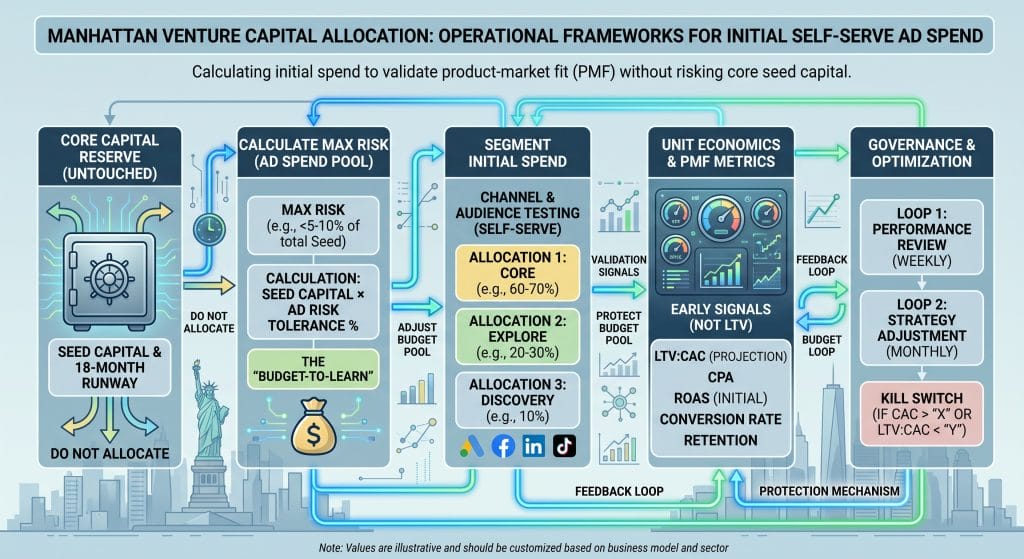
Modern digital advertising strategy: a practical guide to omni-screen media buying
Media consumption has split across too many screens, but most ad budgets are still stuck in single-channel silos. For business leaders, CMOs, and agencies looking to grow, buying ad space through fragmented vendors is inefficient and hard to track.
To capture market share today, you need to reach people on whatever device they happen to be using—from smart TVs to smartphones—using real location data, addressable matching, and clear reporting.
Based in Sandy, Utah, Full Force Ads provides programmatic infrastructure to handle this directly. Instead of acting as an intermediary for third-party networks, Full Force Ads runs its own ad ecosystem. That means you can manage Streaming TV, Video, Audio, Mobile, Display, and Native campaigns from a single dashboard without long contracts or hidden placement data.
Streaming TV (CTV) Connected TV has largely replaced traditional cable. Placing ads on platforms like Roku, Fire TV, Hulu, Peacock, and YouTube TV gets your video on the main screen in the living room. Main benefit: Unskippable TV commercials paired with digital audience targeting.
Digital video Video works because it combines visual storytelling with audio. Placing pre-roll or mid-roll video on popular news sites and mobile apps drives strong message retention. Main benefit: Strong viewer attention on both desktop and mobile devices.
Streaming audio Audio reaches people during screen-free time—while driving, exercising, or working. Running ads on Spotify, Pandora, digital radio, and podcasts lets you join their daily routines naturally. Main benefit: A focused, screen-free environment with high ad recall.
Mobile placements Smartphones are the most personal devices people carry. In-app ads, mobile web banners, and location-triggered promotions reach people while they are out and about. Main benefit: Instant interaction combined with real-time GPS coordinates.
Display advertising Standard banner ads across high-traffic websites and apps form the foundation for broad reach and retargeting. Main benefit: Low-cost reach that keeps your brand recognizable over time.
Native ads Native placements match the visual layout and style of the host website. Because they look like regular editorial content, readers experience less ad fatigue and click more often than on standard banners. Main benefit: Blends with surrounding articles for better reader engagement.
Geofencing and physical attribution Geofencing lets you draw exact boundaries around physical locations—like competitor stores, convention halls, or specific neighborhoods. When someone enters that area with their mobile phone, they join your targeting pool.
[ Physical Location / Competitor Store ] │ ▼ (Device enters location) [ Real-Time Mobile Device Capture ] │ ▼ (Audience mapped to DSP) [ Cross-Screen Ad Delivery: CTV, Mobile, Audio ] │ ▼ (Physical return visit) [ Conversion Zone Foot-Traffic Attribution ] Foot-traffic tracking: Through Conversion Zones, you can track when someone who saw your ad actually walks into your store, giving you real store-visit data rather than just link clicks.
Addressable household targeting Addressable targeting brings direct-mail precision to digital ads. By uploading a list of physical street addresses, you can show targeted ads to devices inside those specific homes across CTV, mobile, video, and display. Main benefit: Cuts ad waste by focusing budgets on verified physical addresses.
Site retargeting Most website visitors leave without buying or filling out a form. Site retargeting shows ads to these interested visitors as they browse other sites, bringing them back when they are ready to act.
Search retargeting Search retargeting catches interest early. By targeting people based on the exact terms they recently typed into search engines, you can reach active buyers while they are researching choices.
Contextual targeting Contextual targeting reads page text, video titles, and article subjects to place your ad next to relevant topics. This ensures your message sits next to content the user is already interested in.
Feature / CapabilityTraditional Media & Ad NetworksFull Force Ads InfrastructureChannel ManagementSplit across multiple platforms and vendorsAll channels managed in one placeMinimum Commitments$10,000+ monthly minimums with long contractsFlexible spend with no long-term contractsTargeting PrecisionBroad zip codes or market radiusesBuilding-level geofencing and addressable listsAttribution MetricsImpressions, clicks, and estimated reachVerified foot traffic and store visits setupTurnaround Time4 to 6 weeks for manual setupCampaigns launch live in 5 to 7 business daysReporting TransparencyMonthly summary PDFs with hidden placement dataWeekly reports showing exact sites and app placements 4. Strategic playbook: matching business goals to media channels The right channel mix depends on what your business needs to accomplish right now. Here are four common strategies for allocating budget:
[ Business Growth Objective ] │ ┌────────────────┼────────────────┬────────────────┐ ▼ ▼ ▼ ▼ [ Local Market ] [ Conquesting ] [ Brand Scale ] [ Direct Web ] Awareness Competitors Building Traffic │ │ │ │ ├─ Geofencing ├─ Geofencing ├─ Streaming TV ├─ Display ├─ Display └─ Addressable ├─ Video ├─ Native └─ Mobile └─ Audio └─ Search Retarget
Allocation examples Local store visits Goal: Increase local visibility and bring people into a physical store. Strategy: Draw geofences around local shopping corridors, paired with Mobile and Display ads to catch nearby shoppers.
Competitor conquesting Goal: Win customers away from direct competitors. Strategy: Set up geofences around competitor locations, then use Addressable targeting to deliver ads to known customer lists across their home devices.
Brand building at scale Goal: Build strong regional or national brand recognition. Strategy: Combine unskippable Streaming TV ads with online Video and Streaming Audio to reach broad audiences across multiple senses.
Direct web traffic Goal: Bring active shoppers to your site to convert. Strategy: Use Search Retargeting to catch people searching relevant keywords, supported by Display and Native ads on matching editorial sites.
┌─────────────────────────────────────────────────────────┐ │ STEP 1: Discovery Call │ │ - Align on business goals, audiences, and key KPIs. │ └───────────────────────────┬─────────────────────────────┘ │ ▼ ┌─────────────────────────────────────────────────────────┐ │ STEP 2: Custom Channel & Targeting Recommendation │ │ - Tailored channel mix, geofence mapping, and budget. │ └───────────────────────────┬─────────────────────────────┘ │ ▼ ┌─────────────────────────────────────────────────────────┐ │ STEP 3: Fast Campaign Launch (5-7 Business Days) │ │ - Creative deployment across selected ad inventory. │ └───────────────────────────┬─────────────────────────────┘ │ ▼ ┌─────────────────────────────────────────────────────────┐ │ STEP 4: Ongoing Optimization & Transparent Reporting │ │ - Weekly data updates, frequency capping, & pacing. │ └───────────────────────────┬─────────────────────────────┘
Discovery call: A simple review of your current marketing, target audience, geographic focus, and goals.
Custom strategy: Full Force Ads builds a channel mix for your budget without forcing fixed packages or unwanted channels.
Campaign launch: Ads go live across chosen inventory streams in 5 to 7 business days.
Optimization and reporting: Weekly reports show where your ads appeared, who saw them, and which audience groups performed best, making it easy to tune performance as you go.
Fully managed: The Full Force Ads team handles setup, strategy, daily bid optimizations, and weekly reporting so your internal team can focus on broader strategy.
White-label agency service: Agencies can offer CTV, geofencing, audio, and programmatic display directly to their clients under their own branding.
Self-serve platform: For in-house media teams and agencies that want hands-on control, FullForceAds.app provides direct access. Marketers can set up campaigns, draw geofences, upload household address lists, set bidding rules, and review live reporting directly.
Next steps You can eliminate ad waste, cut down on vendor management, and reach your audience across all their devices.
To plan a custom strategy for your business or agency, visit Full Force Ads Advertising Solutions to schedule a demo with a programmatic specialist.