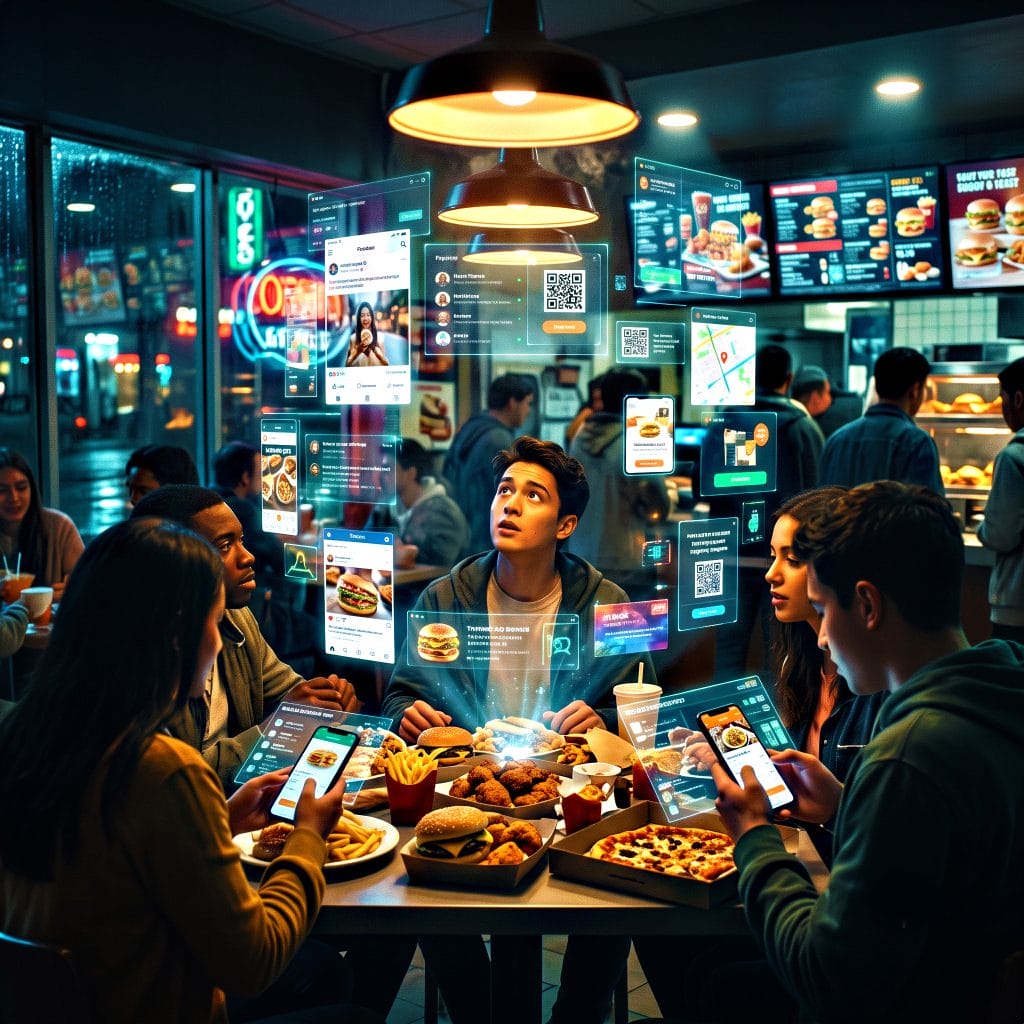
Consumers in New York, New Jersey, and Connecticut are distracted and overwhelmed with choices. When deciding what to eat, they look at smartphones, streaming TVs, and dashboard displays rather than the storefront down the street.
Fast-food brands cannot win this market with traditional billboards or print flyers. Gaining market share requires digital advertising that turns online impressions into immediate restaurant foot traffic.
Full Force Ads provides a unified platform to manage, execute, and optimize cross-channel campaigns that drive measurable revenue.
Fast food is an impulse purchase. The sales cycle lasts minutes, not months. Digital advertising must trigger immediate action through three primary methods:
High-definition video of food triggers real hunger, and digital channels deliver that experience at exactly the moment someone decides what to eat. Proximity matters just as much: if a restaurant feels distant or inconvenient, the craving dies — so ads that show users how close they are to a storefront make a real difference. Timing is equally important. An ad for a breakfast sandwich at 11:30 PM wastes money; that same ad served at 7:15 AM to a commuter stuck on the George Washington Bridge drives sales.
A fast-food brand must build a cohesive presence across digital touchpoints so channels operate as a unified system.
       [ Consumer Journey ]
                 │
   ┌─────────────┼─────────────┐
   ▼             ▼             ▼
Streaming TV   Audio        Mobile
(Awareness)   (Commute)   (Proximity)
   │             │             │
   └─────────────┼─────────────┘
                 ▼
         [ Store Visit / ]
         [ App Delivery  ]
Streaming TV (CTV) places ads on platforms like Roku, Hulu, and Apple TV with digital precision. For franchises in New York or Connecticut, these ads are unskippable. CTV targets specific zip codes and neighborhoods instead of wasting budget on viewers outside your delivery zone. Brands can run a 15-second commercial for a new menu item exclusively to households within a three-mile radius of a location during prime time.
Pre-roll and mid-roll video ads on websites and mobile apps capture attention during daily browsing. Short, six-second bumper ads showing a value meal followed by an "Order Now" button keep your brand front of mind.
Tri-state area commuters spend hours on the road or transit. Digital audio ads reach listeners on Spotify, Pandora, and podcasts during these screen-free moments. A brand can run an audio campaign at 4:30 PM reminding drivers to pick up a family meal bundle on their way home.
Smartphones bridge the gap between digital ads and physical restaurant counters. Mobile banners and location-aware units drive foot traffic by sending targeted directions to users who are already out and about.
Native ads match the style of the websites where they appear. An ad presented as an article titled "Quick Lunch Options in Midtown Manhattan" captures consumers who ignore traditional banners.
Brands use the Full Force Ads platform to layer targeting parameters so budgets are spent only on high-intent consumers.
| Strategic Goal | Channel Mix | Target Focus |
| Local Awareness | Geofencing, Mobile Display | Foot traffic within 3 miles of stores |
| Conquest Competitors | Geofencing, Addressable Ads | Visitors at competing locations |
| Brand Building | Streaming TV, Video, Audio | Regional households |
| Drive App Downloads | Mobile, Search Retargeting | Digital-first users searching for food |
| Increase Loyalty | Addressable Ads, Retargeting | Past buyers and CRM email lists |
Geofencing draws virtual boundaries around physical locations to serve ads to users inside those areas. Brands use this in three ways:
The most aggressive tactic is competitor conquesting — when a customer enters a competitor's drive-thru, your ad appears on their phone with a better offer. Beyond that, geofencing transit hubs like Penn Station or Grand Central during peak commute hours puts your brand in front of people who are hungry and on the move. The same logic applies to events: geofencing stadiums like MetLife or Citi Field during games captures fans looking for food on their way out.
Addressable targeting matches customer databases or loyalty app registries to physical home addresses. The system then identifies the digital devices tied to those households. This allows restaurants to serve rewards directly to past customers on their TVs and phones, bypassing low email open rates.
Site retargeting lets you follow up with users who abandoned an online ordering cart, showing them those exact items as they browse other sites later that day. Search retargeting works differently — it serves ads to people who recently searched for terms like "late night food near me" or "chicken nuggets in Queens," reaching them right when they've already shown intent.
Contextual targeting places ads next to relevant online content, such as local food blogs, restaurant reviews, or neighborhood sports news.
Creative execution must cut through the noise of the competitive Northeastern market.
Close-up food imagery — steam rising from fries, a pizza slice pulling apart — stops people from scrolling past. Once you have their attention, state the value clearly: a "$2 for $6" deal or free delivery lands better than vague brand messaging. Then make the next step obvious with simple, direct buttons like "Tap to Find the Nearest Location" or "Download the App for a Free Drink."
Hiring separate agencies for social media, TV, and display ads creates conflicting data and disjointed strategies. Full Force Ads consolidates campaigns into one dashboard, automatically moving your budget to the highest-performing channel in real time.
Traditional agencies hide performance behind vague metrics like total impressions. Full Force Ads provides clear reports showing exactly where ads ran, which zip codes drove engagement, and what foot traffic resulted.
Many platforms demand massive spending minimums and lock businesses into long-term contracts. Our framework provides flexible budgets with no large minimums, letting you test the local market and scale up as sales grow.
Launch a campaign in four steps:
The process starts with a discovery call where we map out your store footprint, customer demographics, competitors, and growth goals. From there we design a media mix tailored to your objectives — competitor conquesting relies on geofencing, while regional product launches typically use streaming TV and audio. Campaigns go live across the selected channels within five to seven business days, and from there we constantly adjust targeting and shift budgets toward whatever creative is performing best.
The tri-state fast-food market is fierce. Winning brands must own the digital space around their locations.
Consolidate your vendors and eliminate the guesswork. Visit Full Force Ads Advertising Solutions to schedule a custom demo and drive measurable foot traffic to your restaurants.