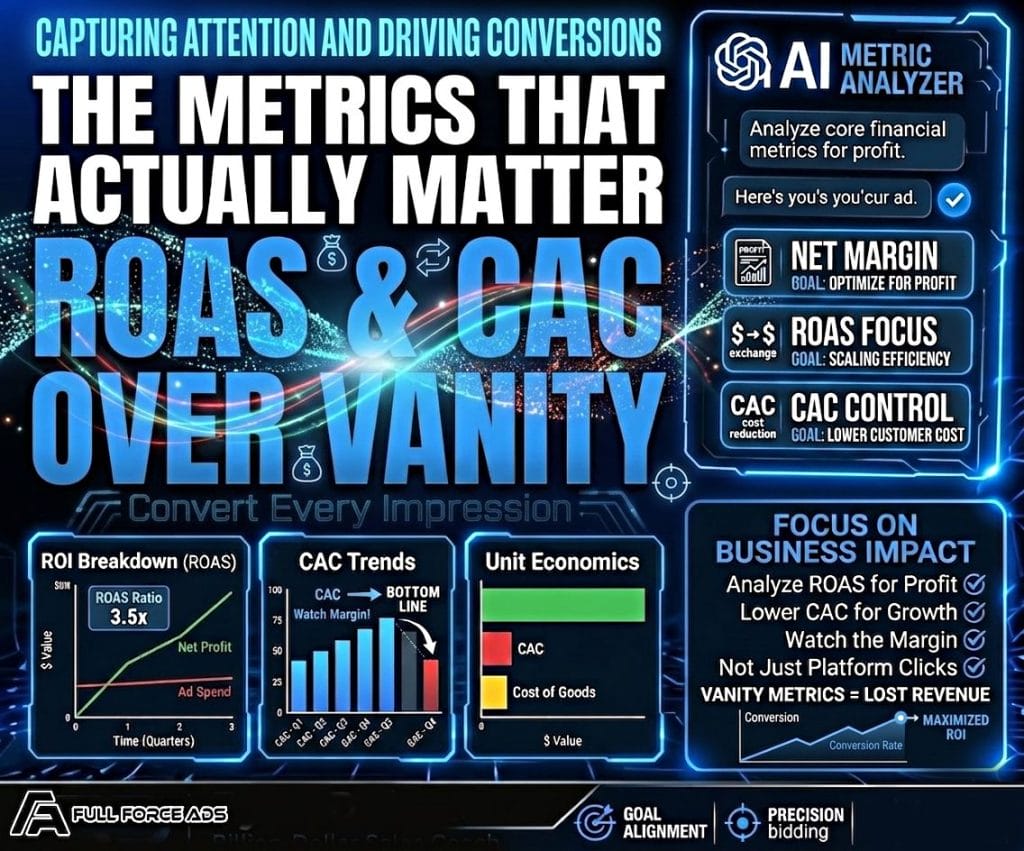
A lot of companies follow the same frustrating pattern. When pipeline dries up, they pour money into self-serve ad networks. Dashboards light up with impressions and clicks. The CRM doesn't move. The sales floor stays quiet.
Digital advertising requires more than brand awareness numbers. Buyers move between smartphones and connected TVs all day. Cutting through that and turning impressions into actual customers requires a unified media buying strategy, not a collection of disconnected campaigns.
Fragmented approaches break attribution and waste budgets. Running separate agencies for social and TV means data doesn't connect, messaging doesn't reinforce itself, and you can't tell which channel actually drove the sale. A unified programmatic system fixes that by coordinating every channel from one place.
TV advertising used to require enterprise-scale budgets. Programmatic Connected TV changed that. By running targeted ads on Roku and Hulu, you put your brand on the biggest screen in the home and pay to reach only the households that match your customer profile, not an entire zip code.
Attention follows motion and sound. Video placements across websites and mobile apps capture users when they're actively watching content, which is a far more receptive moment than passive browsing.
Drivers and commuters offer uninterrupted attention. Audio campaigns on Spotify and podcast networks reach listeners when visual ads can't — and they tend to stick because the message goes directly to headphones.
Banner ads across high-traffic websites provide cost-effective reach and power retargeting pools. Native ads match the design of surrounding content, which improves click-through rates by fitting into the reading experience rather than interrupting it.
Served to the wrong audience, even a great ad is a waste of money. With privacy restrictions changing how ad networks operate, campaigns need targeting approaches that hold up regardless of cookie availability.
Advanced geofencing draws boundaries around specific buildings rather than using broad radius rings. Outlining a competitor's showroom or an industry trade show floor means you're logging devices that belong to genuinely relevant people. Those users then enter your campaign pool, receiving ads across mobile apps and streaming networks after they leave.
Addressable targeting maps physical customer lists or direct-mail data to specific IP addresses and devices. You serve coordinated digital ads to those exact households across smartphones and streaming TVs.
Most people don't convert on first contact. Site retargeting keeps your brand visible as a past visitor browses elsewhere. Search retargeting reaches prospects based on keywords they typed into search engines, capturing people who are actively hunting for a solution like yours.
Privacy regulations and browser restrictions are limiting traditional tracking cookies. Campaigns that hold up layer both approaches:
| Strategy | Mechanism | Data dependency | Primary strength |
| Behavioral targeting | Tracks historical user actions and past purchases. | Relies on cookies and device IDs. | Ideal for high-intent retargeting. |
| Contextual targeting | Analyzes immediate webpage content. | Independent of user tracking. | Relevant without cookie dependency. |
Layering these two builds a more durable strategy. Contextual targeting places your brand next to relevant articles; behavioral data ensures you're reaching verified buyers.
Persuading an executive or high-ticket buyer means guiding them through three logical checkpoints: first establishing credibility and addressing their specific objections, then presenting evidence and verifiable proof, then offering a clear and direct next step. Skipping straight to the ask on a cold audience is why most campaigns fail.
Campaigns that ask for immediate purchases from cold audiences almost always underperform. Effective early-stage ads address specific industry pain points and build perceived value before making any ask.
Buyers distrust vague promises and hidden fees. Ads that direct prospects toward verifiable data and clear performance metrics remove the perceived risk of doing business with you.
Traditional agencies move slowly and bury spending inside reports that don't connect to outcomes. Full Force Ads, based in Sandy, Utah, built a programmatic platform that removes friction from media buying. Consolidating streaming TV, video, and display into one platform eliminates the need for multiple vendors and keeps measurement clean.
One dashboard plans, tracks, and optimizes your entire digital presence. Targeting focuses on verified human buyers through geofencing and search retargeting. Weekly reports show exactly where ads ran and what viewers did. Campaigns don't require long-term contracts, so you can scale based on what's working. New campaigns go live within five to seven business days.
Higher revenue requires a predictable acquisition system, not a collection of one-off tactics. To see how programmatic media changes customer acquisition, visit Full Force Ads Advertising Solutions.