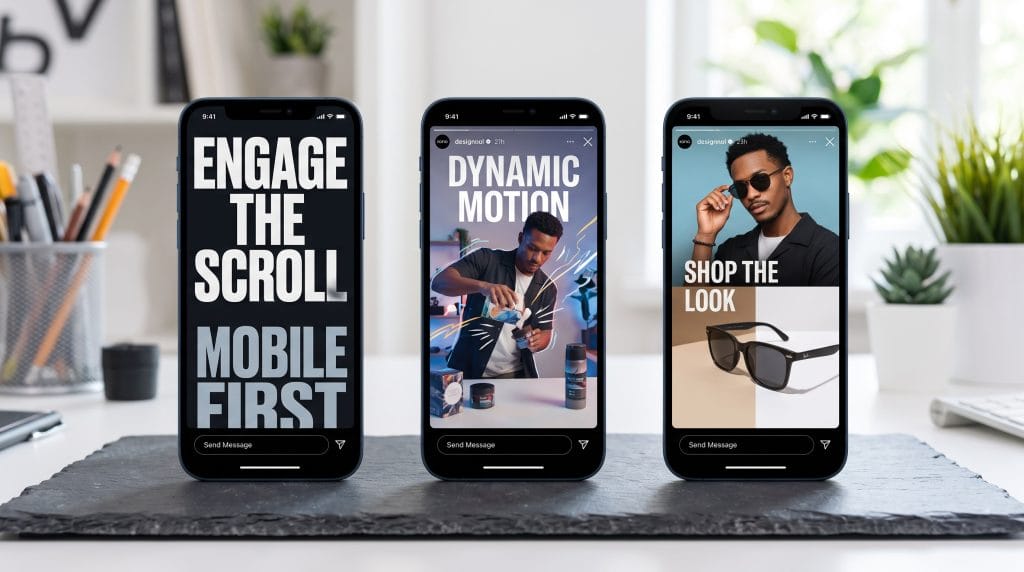
Contextual advertising looks nothing like it did a decade ago. The old model of flashing banner ads jammed into page margins has largely given way to inline placements that blend into the main reading view. As third-party cookies phase out and privacy laws like GDPR and CCPA limit tracking, major publishers have had to rely on these page-level signals to stay profitable without annoying their readers.
Most top sites handle this using a few common approaches:
| Approach | How It Works & Key Benefits |
| Text and sentiment analysis | Modern ad platforms use natural language processing to evaluate the tone and meaning of an article rather than matching isolated keywords. This prevents awkward mistakes, like placing a flight discount ad next to a news story about a plane crash. |
| Matching site design | Ads borrow the font, colors, and spatial layout of the host publication. Keeping the styling consistent reduces visual noise and avoids the immediate filter people apply to traditional banners. |
| Inline placements | Instead of sitting in the sidebar, ad units go directly into the article body, media carousels, or main content feeds. This lets readers scroll through without leaving the main column. |
| Contextual product links | Pages automatically insert links or product cards based on topic tags. A marathon training guide might automatically feature running shoes, making the placement read like a relevant product mention rather than a cold sales pitch. |
Because contextual systems evaluate the page content instead of profiling the person reading it, they operate without third-party cookies or cross-site tracking IDs. Readers see ads tied to what they are currently looking at, avoiding the creepy feeling of an ad following them across every site they visit.
Major publications apply strict layout and copy guidelines to sponsored content. Keeping the visual tone consistent with the rest of the site helps maintain readability, while explicit labels like "Sponsored" or "Promoted" keep the distinction clear and satisfy legal requirements.
For growing mid-market companies, direct-to-consumer brands, and local businesses, traditional marketing keeps burning money. Mass broadcast ads throw money at unverified audiences, while standard ad channels trap teams in closed platforms with rising customer costs and shrinking returns.
Fixing this means dropping disconnected point tools. Real growth takes a simple strategy: treat every place a customer sees you as part of one continuous path to a sale.
Here is how to use unified programmatic media, targeted audience data, and cross-channel campaigns to turn online attention into revenue.
People do not view media in separate boxes. A customer might listen to a podcast on the drive to work, scan news on a laptop at their desk, scroll through phone apps during lunch, and stream TV on the couch at night.
When you manage those channels through different vendors or standalone tools, the customer experience falls apart. Messages clash, people see the same ad far too many times, and conversion stats get scattered across messy reporting dashboards.
Connected advertising links every screen someone uses during the day. Running coordinated ads across Connected TV (CTV), streaming audio, mobile apps, banner placements, and native web content gives your brand a steady presence. Instead of hammering people with cold pitches, you walk them through a clear story.
Managing your ad buying and cross-device measurement in one place gives you three practical benefits:
Channel choice dictates where your ad appears. Targeting dictates who sees it and how far your budget goes.
Buying broad impressions without precise targeting wastes money. Getting a high return on ad spend requires placing sharp targeting directly onto every channel you run.
| Targeting Method | Tactical Application |
| Geofencing | Draws digital borders around physical places to reach visitors on site. |
| Addressable | Turns street address lists into direct household ad placements. |
| Search retargeting | Re-engages people searching for specific keywords across the web. |
| Site retargeting | Brings non-converting site visitors back with focused creative. |
| Contextual matching | Places ads next to relevant articles using natural language checks. |
Geofencing draws virtual boundaries around physical locations down to property lines.
When mobile phones enter those areas (such as competitor locations, trade shows, retail centers, or specific neighborhoods), spatial data notes the device. You can serve ads to those users while they are on site and stay in front of them on their home devices for up to thirty days after they leave.
Addressable targeting connects direct mail with digital media. You upload a list of street addresses from a CRM, target account list, or customer file. The system maps those physical addresses to household IP and device profiles.
This lets you show video, CTV, display, and audio ads directly to specific homes, cutting out spend on non-target viewers.
Plaintext
[Physical Address / CRM Data]
│
▼
[Addressable Matching Layer] ──> (Deterministic Mapping)
│
▼
[Target Household Environment]
├──> Connected TV (Roku / Fire TV / Hulu)
├──> Desktop / Laptop Web Browsers
└──> Personal Mobile Devices
Standard search ads limit you to search engine results pages. Search retargeting extends that reach across the broader web. When someone searches for terms related to your business, programmatic networks catch that signal and display video, audio, or native ads while they browse other websites.
Site retargeting handles the large chunk of visitors who leave your site without buying. By tracking user actions (like viewed product pages, scroll depth, or abandoned carts), retargeting campaigns show specific follow-up ads that bring buyers back to finish the order.
Building a solid multi-screen campaign requires matching ad assets to the core strengths of each format.
| Media Channel | Engagement Type | Core Advantage | Primary Metric |
| Streaming TV (CTV) | Visual & Audio (100%) | Full sight, sound, and motion | Completion rate (VCR) |
| Digital Video | Sight, sound, and motion | Strong visual grab | View-through rate |
| Digital Audio | Audio only | Reaches screen-free time | Audio completion |
| Mobile Media | Touch & spatial | Location precision | Engagement & CTR |
| Display Networks | Visual & text | Low-cost scale | Impressions & CTR |
| Native Content | Editorial integration | Fits inside article content | Engagement / reads |
Connected TV puts your brand on the main screen in the living room. Unlike traditional TV, CTV brings streaming viewing together with digital targeting tools.
Ads on platforms like Roku, Amazon Fire TV, and Hulu play in unskippable high definition. With household targeting and completion rates usually over 95%, CTV builds brand recognition without paying for broad broadcast waste.
Video pulls people in using sight, sound, and movement. Video campaigns run pre-roll, mid-roll, and outstream formats across publisher sites and mobile apps.
Whether you are explaining complex B2B software or showing a physical product in action, targeted video builds strong interest across the buying process.
Audio reaches people when they are away from screens, like driving, working out, cooking, or working at a desk. Placements across Spotify, Pandora, podcast networks, and streaming radio put your business into personal spaces.
Audio ads benefit from high listener attention, helping people remember your brand name and message.
Mobile phones go everywhere with your customers. Strategic mobile campaigns combine app placements, web inventory, and location data to send timely messages based on where a user is.
Display ads give you a practical base for broad reach and retargeting. Modern display campaigns place responsive banner formats across news and publishing sites to keep your business top of mind.
Native ads take integration a step further by matching the typography, colors, and layout of host publications. Native ads blend directly into article feeds, avoiding banner blindness and driving higher engagement.
Traditional ads relied on disruptive pop-ups and intrusive banners. Modern ad buying focuses on clean integration, putting brand messages naturally alongside relevant articles.
Contextual engines scan web publications using natural language processing. Instead of checking for isolated keywords, these systems read entire articles to understand context, tone, and reader intent.
When an ad fits the context of the page, it reads like a natural extension of the article. A reader looking at commercial real estate trends sees ads for business loans inside the story. That produces three clear benefits:
Ad setups need to match your specific business goals, target markets, and sales cycles. Here are six channel combinations built for common growth goals:
| Business Objective | Recommended Media Mix | Primary Tactic |
| Local market dominance | Geofencing + Display + Mobile | Radius targeting & location capture |
| Competitive conquesting | Geofencing + Addressable | Targeting competitor foot traffic directly |
| Brand leadership | Streaming TV + Video + Audio | Full sight, sound, and motion reach |
| High-intent web traffic | Display + Native + Search Retargeting | Capturing active reader search intent |
| Site re-engagement | Site Retargeting + Display + Video | Behavioral retargeting sequences |
| Database customer match | Addressable + Streaming TV + Display | Cross-screen matching for CRM lists |
Getting strong returns on digital media requires both sound strategy and an efficient buying platform.
Based in Utah, Full Force Ads builds enterprise programmatic media strategies for growing businesses. Full Force Ads helps companies plan, run, and optimize ad campaigns across digital channels without managing multiple niche vendors.
Many marketing agencies rely on third-party ad networks, reseller platforms, or closed channels like Google Ads and Meta Ads. That reliance often leads to hidden markups, fragmented management, and limited campaign control.
Full Force Ads runs its own advertising setup and platform network. Managing campaigns directly through a single programmatic setup (and offering self-serve platform tools via FullForceAds.app) gives businesses full control over ad buying:
Running high-performing campaigns takes a clear, step-by-step process.
Plaintext
   [ STEP 1 ]               [ STEP 2 ]               [ STEP 3 ]               [ STEP 4 ]
  DISCOVERY &              CUSTOM MEDIA               CAMPAIGN              OPTIMIZATION
 ALIGNMENT CALL            STRATEGY MIX                LAUNCH                & REPORTING
┌──────────────┐         ┌──────────────┐         ┌──────────────┐         ┌──────────────┐
│ Analyze goals│         │ Design custom│         │ Deployment   │         │ Ongoing data │
│ audiences,   │ ──────> │ channel &    │ ──────> │ launch across│ ──────> │ adjustments  │
│ and key KPIs │         │ targeting plan│        │ live networks│         │ & reporting  │
└──────────────┘         └──────────────┘         └──────────────┘         └──────────────┘